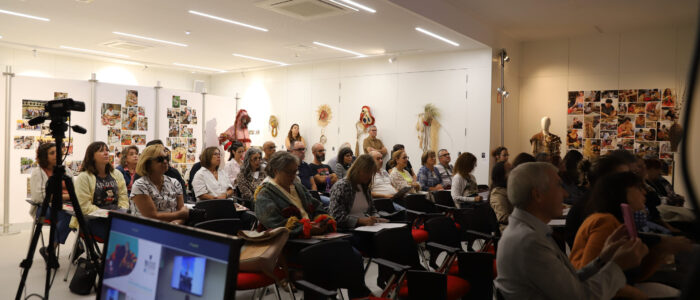
Organised by CEARTE as part of the European MASKS project, the conference brought together experts and craftspeople to discuss traditional mask heritage, the sharing of knowledge and its cultural and economic value. An exhibition of masks produced during international training activities complemented the event.
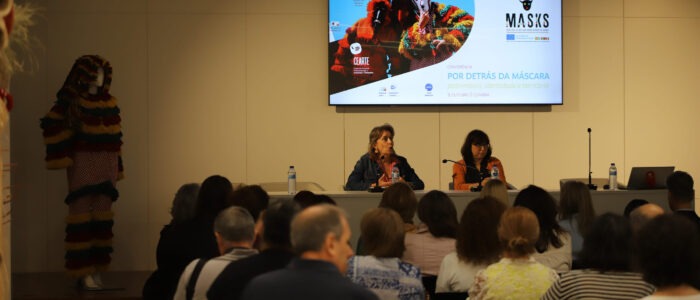
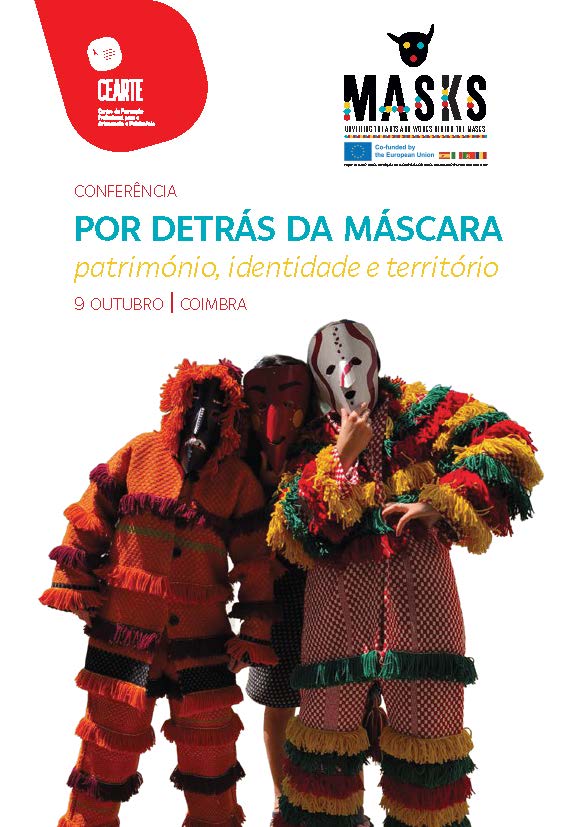
On 9 October 2026, Coimbra hosted the conference “Behind the Mask – Heritage, Identity and Territory”, organised by CEARTE – Vocational Training Centre for Crafts and Heritage, as part of the Erasmus+ project MASKS – Unveiling the Arts and Works Behind the Masks.
The event highlighted the cultural importance of traditional masks, the role of craftspeople in preserving this heritage, and the value of training and international cooperation in keeping traditional knowledge and skills alive.
Masks as an Expression of Identity and Heritage
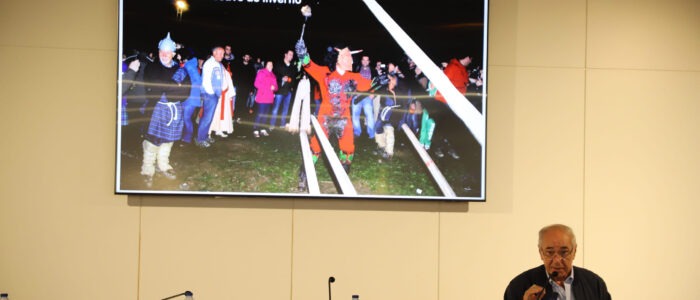
The conference opened with Ana Cristina Mendes, Deputy Director of CEARTE, followed by a presentation from António Tiza, President of the Iberian Mask Academy and a leading expert in this field. He explored traditional masked celebrations in the north-western Iberian Peninsula, focusing on winter rituals and their strong connections to local identity and community life.
Building on this presentation, Pilar Panero García, Professor at the University of Valladolid and coordinator of the MASKS project, introduced the European project and its international dimension. She explained how cultural heritage can be protected and promoted through practical activities, training and international cooperation.
Coordinated by the University of Valladolid, the MASKS project brings together 12 partner organisations from four countries: Portugal, Spain, Italy and Romania. Pilar Panero García highlighted the importance of sharing knowledge and experiences to preserve traditional mask-making skills and pass them on to future generations.
MASKS: Connecting Tradition, Training and Innovation
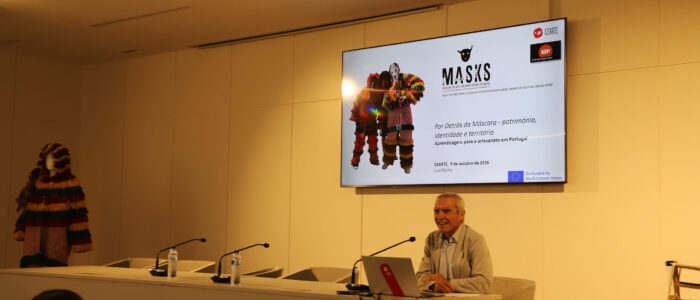
In his presentation, “MASKS – Learning Outcomes for Crafts in Portugal”, Luís Rocha shared the main results of the project in Portugal.
The project included 100 hours of online training in subjects such as the anthropology of masks, marketing, digital tools and sustainability, together with 40 hours of practical training and international mobility activities in Bragança and Valladolid.
A key achievement was the official inclusion of “Traditional Mask and Costume Making” in Portugal's list of recognised craft activities, creating new opportunities for professional recognition and access to the official Craftsperson Card and Craft Production Unit status.
Craftspeople Share Their Traditional Knowledge
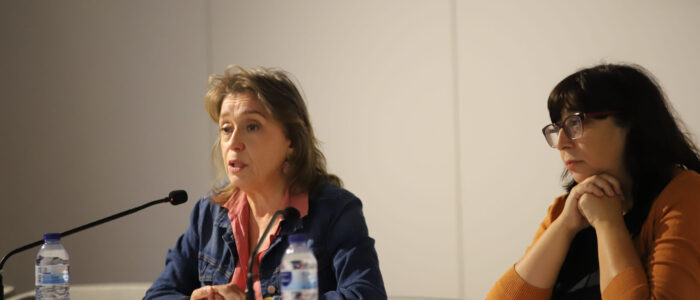
Two craftspeople involved in the project's training activities shared their experiences.
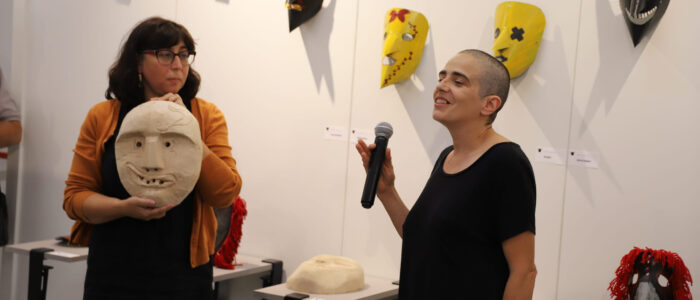
Sofia Pombares, a craftswoman specialising in masks and costumes for the Caretos of Podence and a CEARTE trainer, discussed preserving and reinterpreting this tradition, recognised by UNESCO as Intangible Cultural Heritage of Humanity in 2019.
She particularly highlighted the growing role of women in preserving and renewing traditions historically dominated by men, recognising their contribution as craftswomen, researchers and cultural organisers.
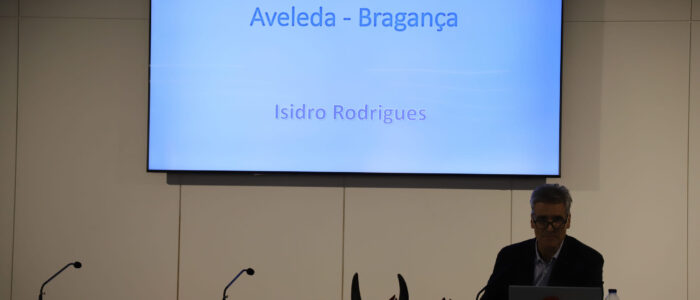
Isidro Rodrigues, a craftsman from Aveleda, Bragança, then presented his work making traditional metal masks associated with the local Festa dos Rapazes (Boys' Festival). He stressed the importance of recovering historical designs, preserving traditional techniques and protecting the authenticity of ritual masks.
Exhibition Showcases International Training Results
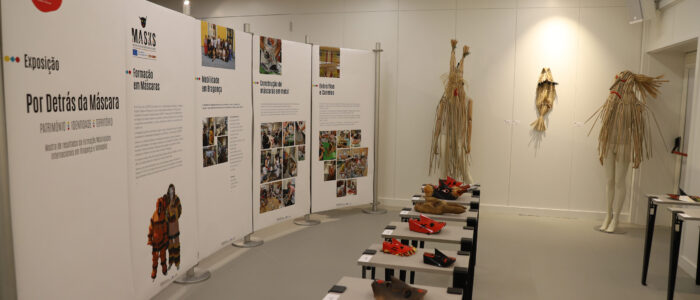
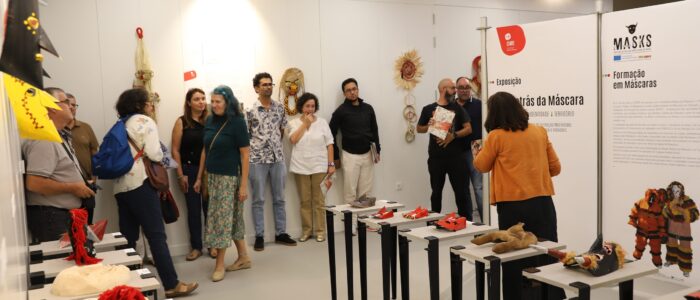
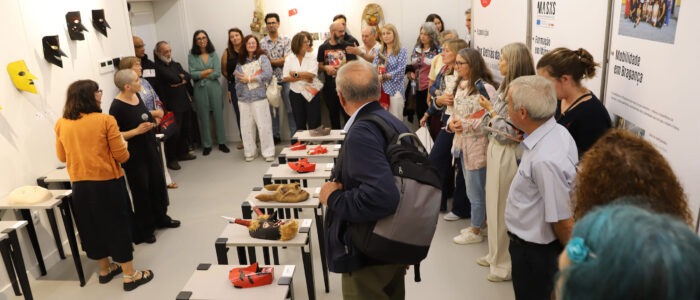
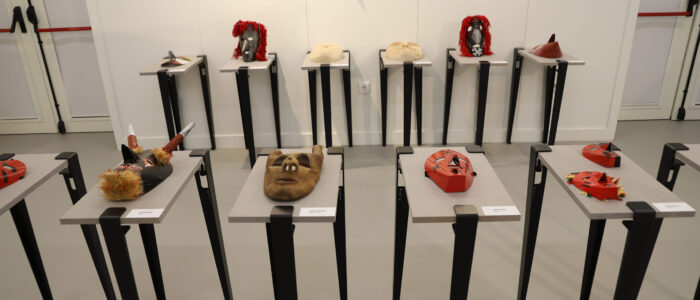
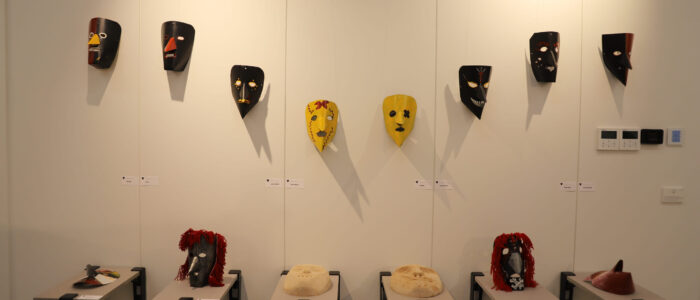
The conference also featured an exhibition of masks produced during the project's international mobility activities in Bragança and Valladolid.
The exhibition presented different techniques and materials, including metal, wood, plant fibres and textiles. It highlighted the skills developed by participants and demonstrated how practical training and international exchanges can help preserve traditional crafts while encouraging creativity.
The exhibition also showed the potential of vocational training to create new cultural and economic opportunities.
Preserving Heritage, Supporting Craftspeople
The conference and exhibition reinforced the importance of combining tradition, research, training and innovation to protect cultural heritage.
By bringing together experts, craftspeople and European institutions, CEARTE reaffirmed its commitment to promoting traditional knowledge, developing professional skills and preserving cultural heritage closely connected to local identities.
Preserving traditional masks means more than protecting objects and rituals. It means keeping alive the memories, knowledge and communities that give these traditions their meaning.
 “Behind the Mask” Conference in Coimbra