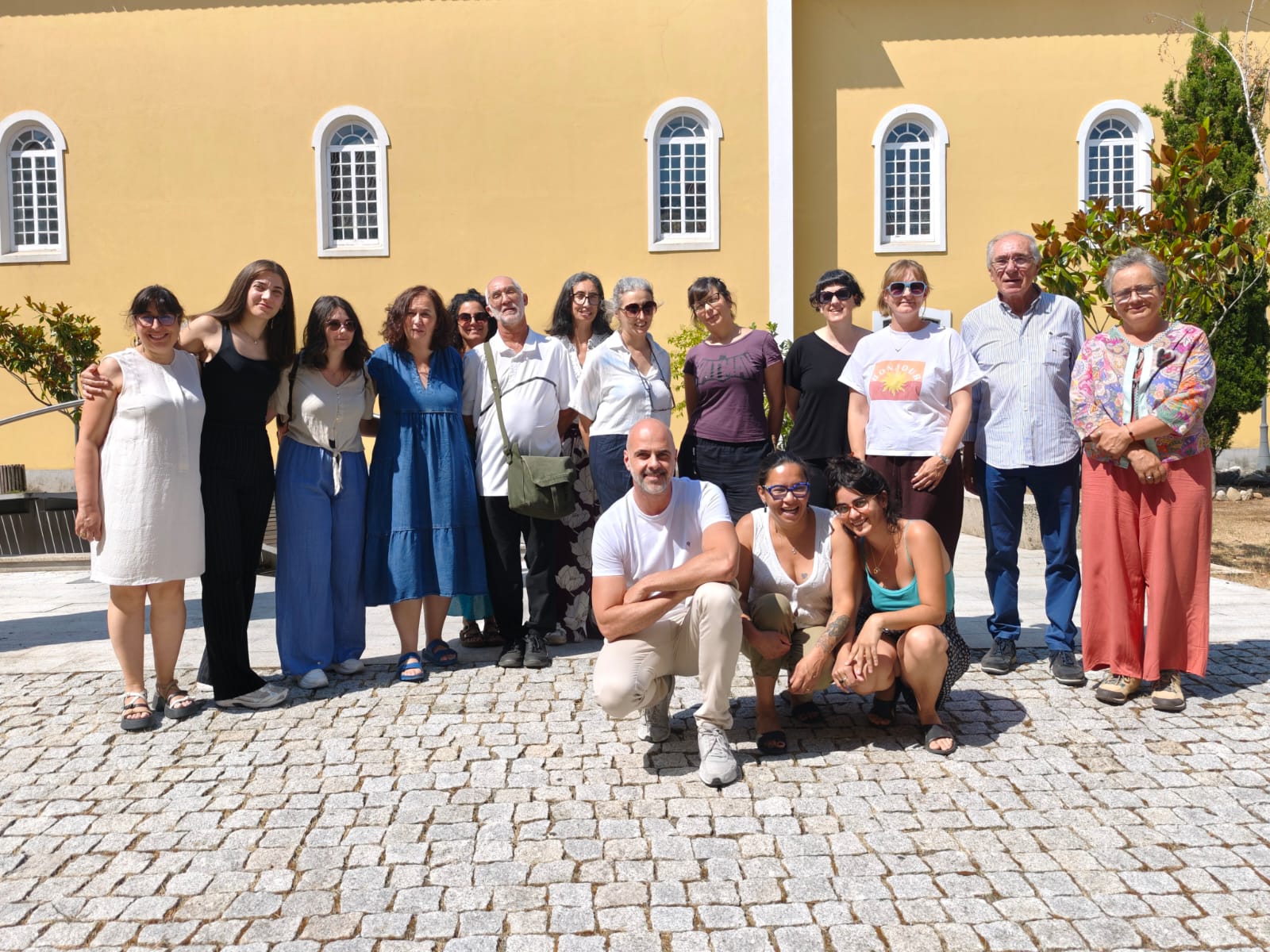
The training programme, organised within the framework of the MASKS project, combines practical learning, intangible cultural heritage, and artisanal innovation through the traditions of the Caretos of Trás-os-Montes.
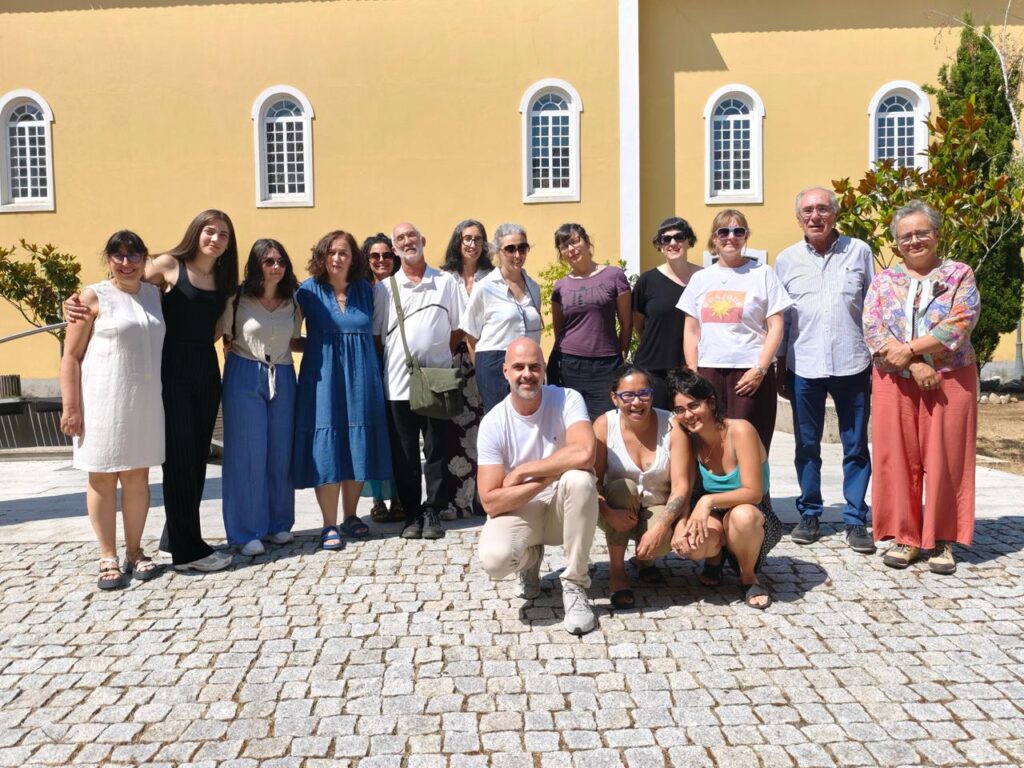
Bragança hosted an international residency dedicated to the creation of traditional masks and ritual costumes, bringing together 19 participants from Italy, Spain, and Portugal. The initiative was organised by CEARTE (Coimbra) in collaboration with the Academia Ibérica da Máscara and the Bragantia EcoPark Chamber of Commerce, providing an international learning environment centred on the transmission of traditional craftsmanship and the safeguarding of cultural heritage.
Craft Training and Living Heritage
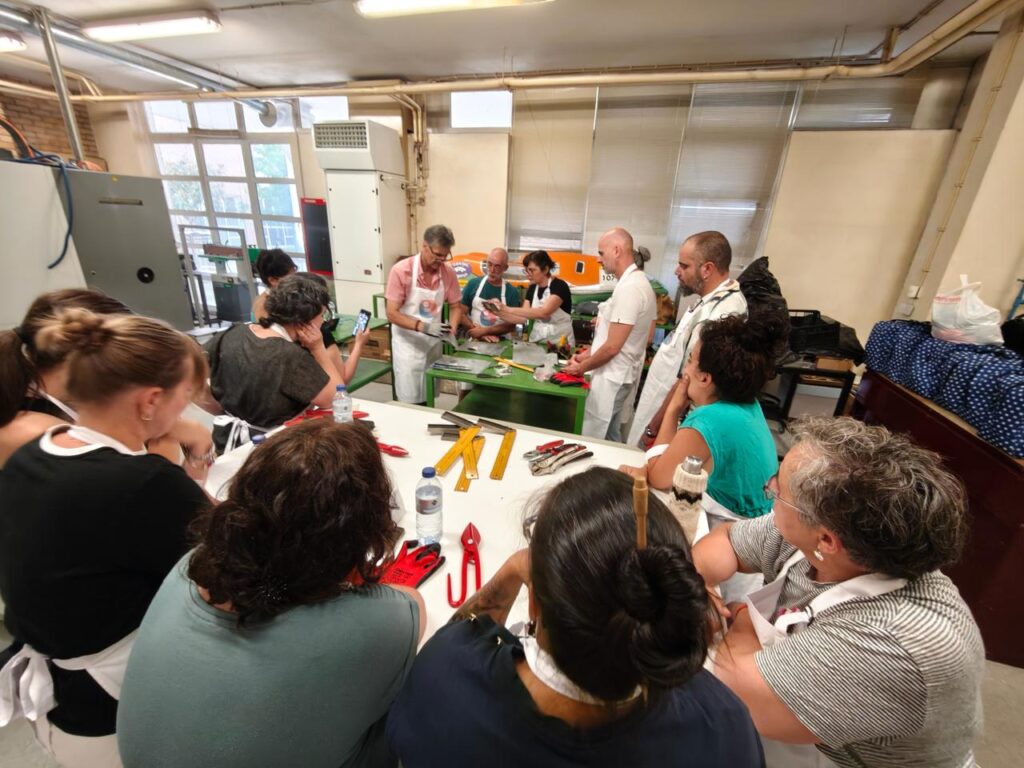
Over the course of one week, participants engaged in practical workshops focusing on techniques related to mask-making and the production of ritual garments, with Bragança serving as an ideal setting owing to its central role in the tradition of the Caretos. The programme promoted the transmission of artisanal knowledge while highlighting one of the most distinctive expressions of intangible cultural heritage in northern Portugal.
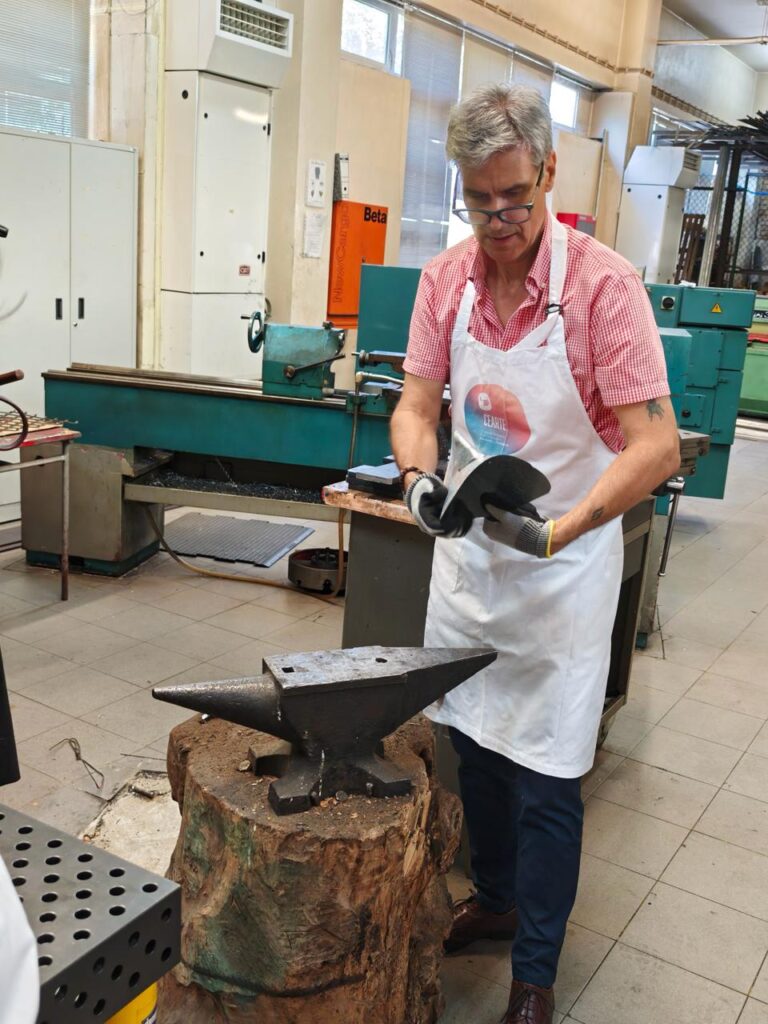
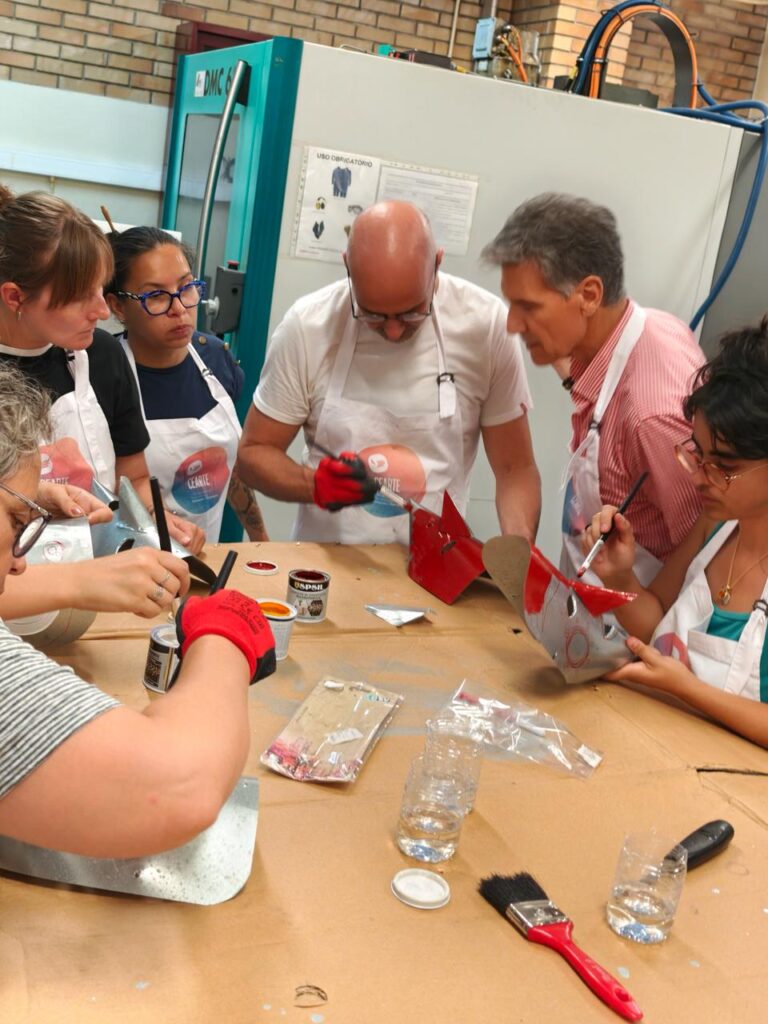
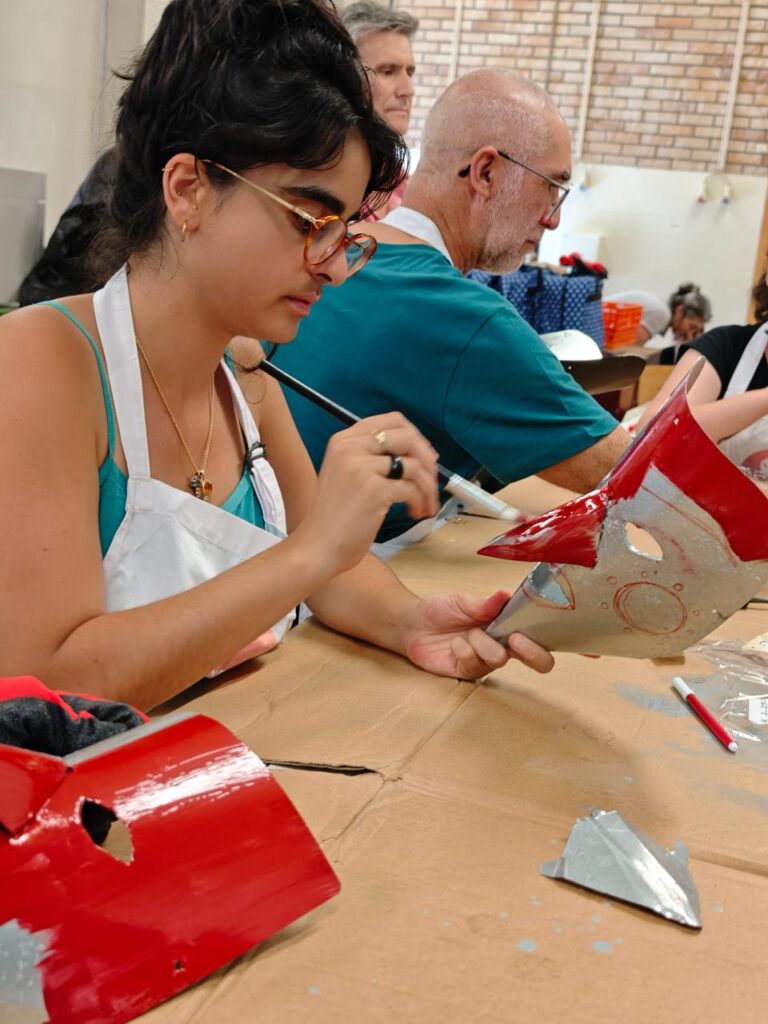
The training devoted to the production of metal masks was led by the master craftsperson Isidro Rodrigues, who introduced participants to traditional brass-working techniques, including cutting, shaping, assembly, and finishing processes. These sessions enabled participants to gain first-hand experience of one of the defining craft traditions associated with the manufacture of Caretos masks.
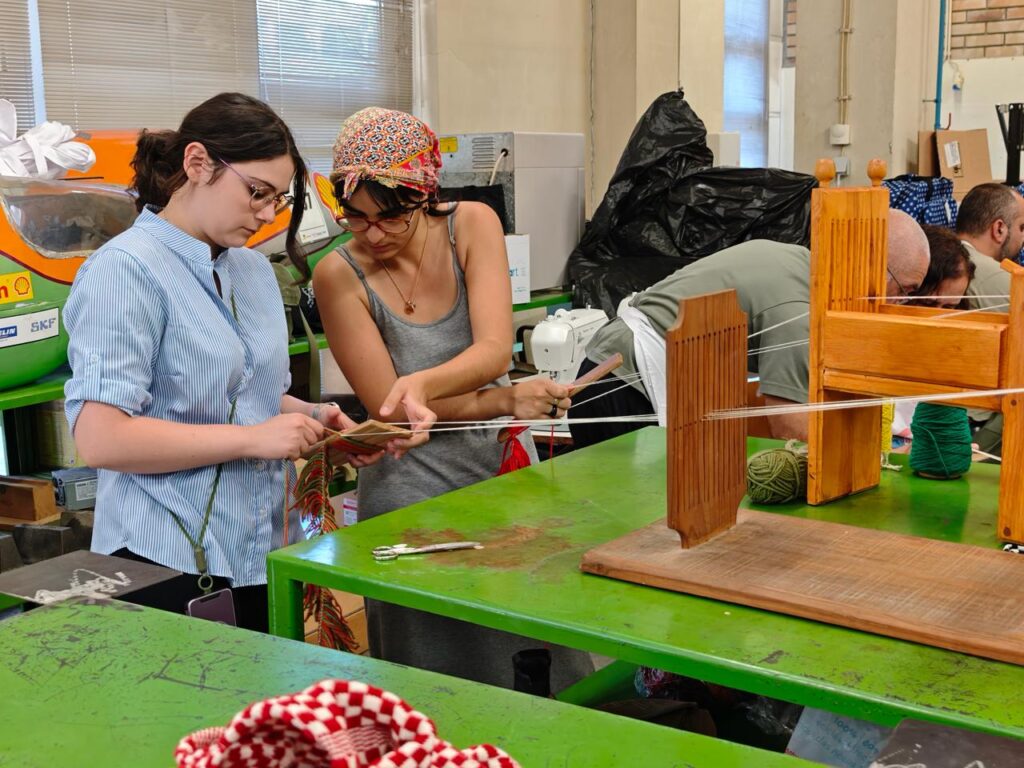
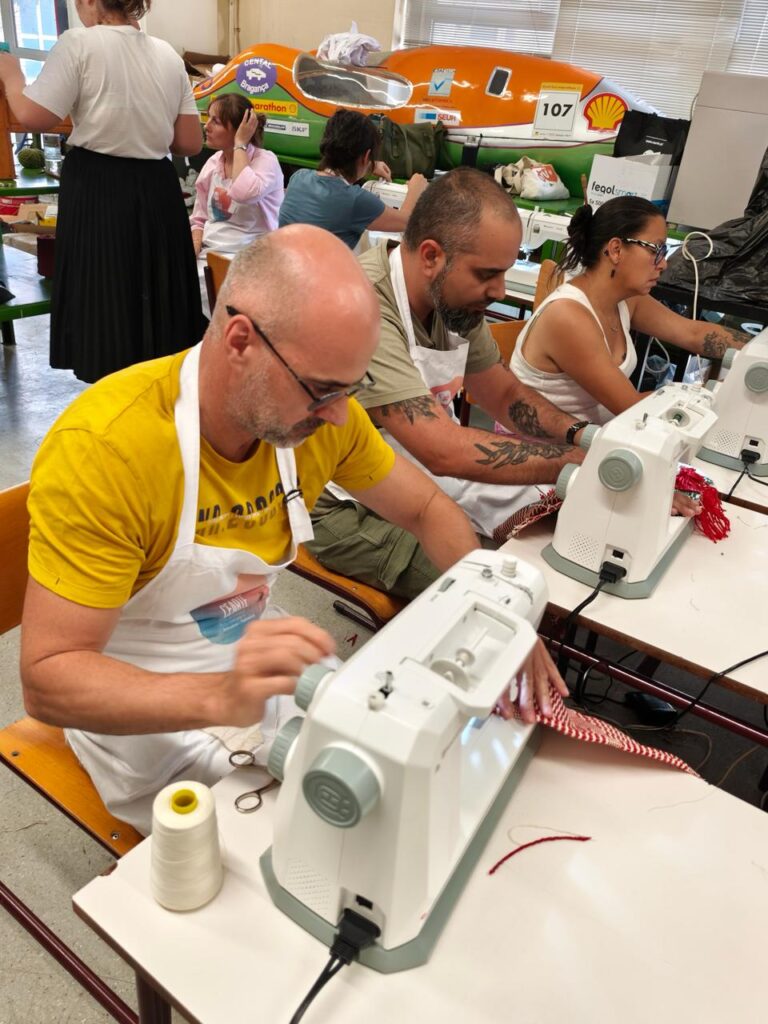
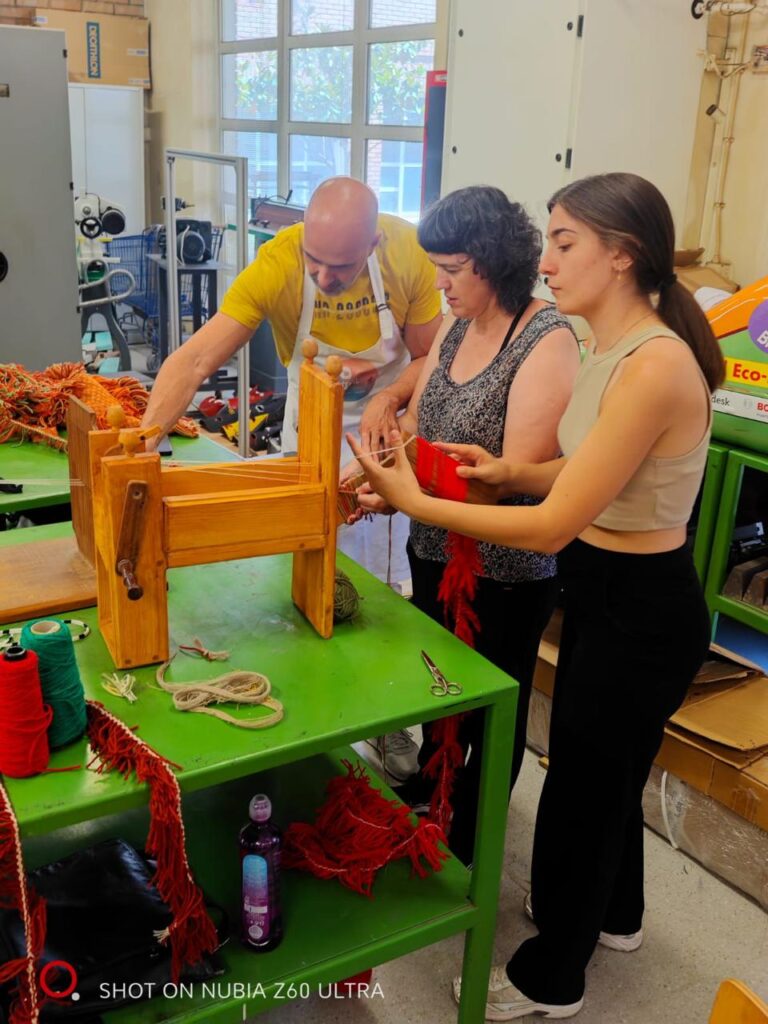
The textile component of the programme was delivered by craftswomen Sofia Pombares and Sandrina Fernandes, who conducted workshops dedicated to the production of traditional garments and accessories. Their teaching focused on the textile techniques characteristic of Caretos costumes, including material preparation, weaving, and the construction of the distinctive decorative elements that define these ritual garments.
Exploring a Living Tradition
The residency commenced on 6 July with a welcome session followed by a visit to the Iberian Museum of the Mask and Costume, where participants explored the history, symbolism, and cultural significance of Portuguese winter ritual traditions. The opening day concluded with a visit to the workshop of master craftsperson Amável Antão, a specialist in the carving of traditional wooden masks.
Throughout the residency, practical workshops in metalworking and textile production were complemented by critical reflection on the cultural significance of these traditions. The programme fostered dialogue between craftsmanship, collective memory, and innovation within a region where mask-making remains deeply embedded in community life and cultural identity.
Final Visit to Cut Out
The mobility concluded with a visit to the Cut Out workshop in Bragança, a creative studio that combines skilled craftsmanship, artisanal production methods, and an inspiring working environment dedicated to the creation of distinctive handmade pieces. Its design philosophy is rooted in local identity, where tradition and innovation coexist to celebrate the cultural essence of Trás-os-Montes through a refined and contemporary approach.
Cut Out also demonstrated a strong commitment to sustainability and environmental responsibility through the use of environmentally friendly materials and low-impact production processes that ensure high-quality craftsmanship while minimising ecological impact. The visit provided participants with valuable insight into how contemporary creativity can reinterpret traditional heritage, generating new forms, materials, and aesthetic perspectives inspired by the legacy of the Caretos.
A European Dimension
In 2019, the Caretos of Podence were inscribed on the UNESCO Representative List of the Intangible Cultural Heritage of Humanity, recognising the importance of safeguarding not only the festive tradition itself but also the artisanal knowledge and skills that sustain it. Within this context, the international residency in Bragança represented a strategic initiative to promote exchange among young participants, craftspeople, and vocational training institutions from across Europe.
The programme strengthened cooperation among institutions and heritage specialists from different countries while contributing to the continuity of traditional craftsmanship, which remains essential for the safeguarding of intangible cultural heritage. The conclusion of the Bragança mobility left participants with more than lasting memories: it reaffirmed the importance of recognising cultural heritage as a shared identity capable of inspiring future generations.