
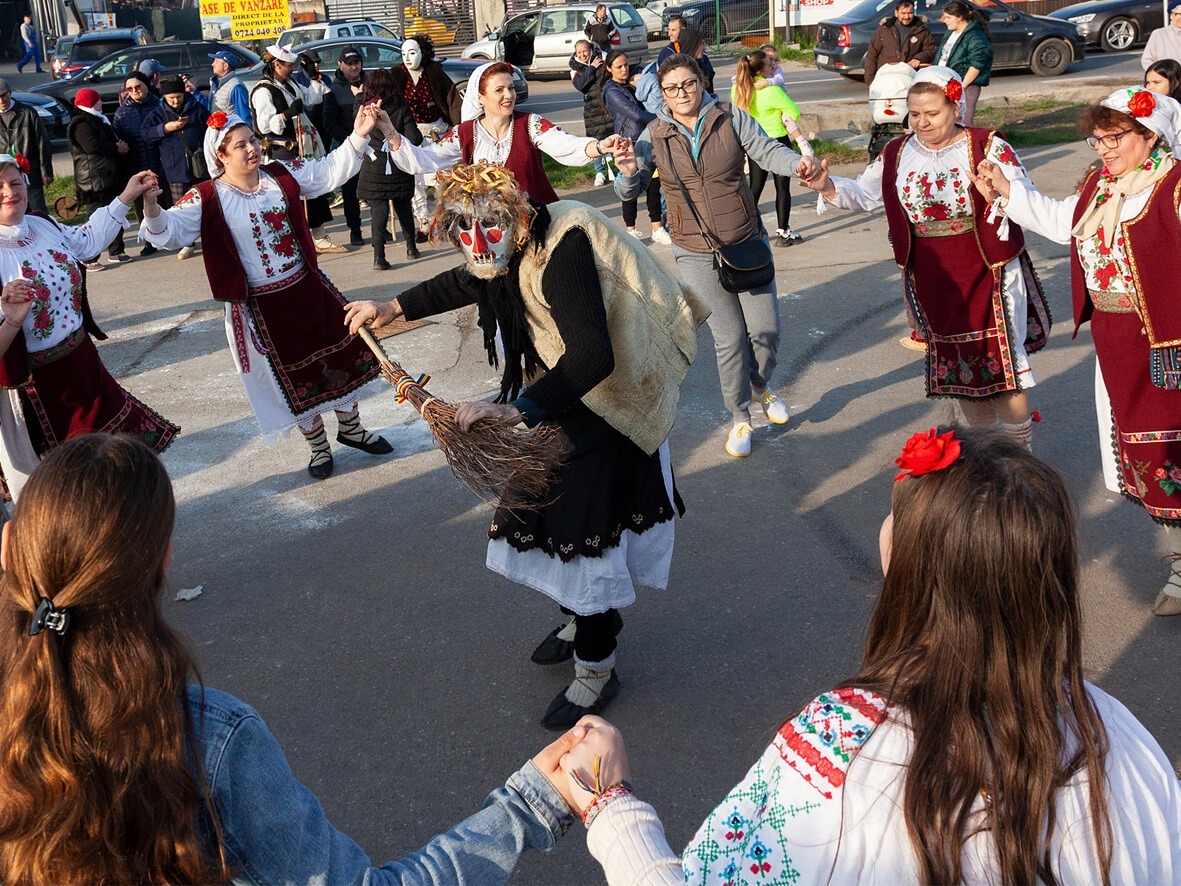
Anthropomorphs masks are cultural and artistic objects used in different traditions and cultures for ritual, ceremonial, or even artistic purposes. These masks can have various meanings and purposes depending on the culture of origin. Typically, they are worn during religious ceremonies, healing rituals, theatrical performances or simply as art objects.
Anthropomorphs masks may represent deities, spirits, ancestors, or personifications of natural forces. They can also be used to represent mythological characters or to express human emotions. Each culture has its own traditions and meanings associated with anthropomorphs masks, which can vary greatly from one culture to another.
One example is the zoomorphic masks, a fusion of man and animal, a feature that dates back to prehistoric times, when man was a hunter and could be mirrored in the animal to be captured. Such masks therefore symbolise the deep connection between man and nature, celebrated through rituals during the change of seasons or during Carnival.
With the mask, man wears the likeness of the animal, depicting himself with horns, skins, tail, etc., and also assuming the typical behaviour of the ‘interpreted’ animal.
During these rituals, the intention was to drive out winter and evil forces and to open the time of spring.
In many cultures, animals are believed to have a spirit or life force, and zoomorphic masks can be used to represent and honour these spirits. Wearing a mask can allow the wearer to get in touch with the essence of the animal and receive its strength or wisdom.
Zoomorphic masks are known in many parts of the world and, depending on the culture, take on different meanings and are used for many different occasions.
For instance, they are often used at weddings, funerals or other important occasions in the life of a community. In some cultures, zoomorphic masks are an integral part of theatrical performances or religious rituals. They may be used to tell mythological stories, dramatise historical events or teach important moral lessons through the representation of animals.
Wearing a zoomorphic mask may also be associated with a specific social status or role within the community. The wearer of certain masks may be recognised as a spiritual leader, a healer, a hunter or a guardian of traditions. Zoomorphic masks can also be considered works of art, made with great craftsmanship and decorated with symbols and motifs significant to the culture of origin. They can be carved, painted, woven or modelled from various materials such as wood, clay, textiles or animal skins.
The mask is a universal object, a means of recovering a heritage that has disappeared or is being abandoned, a means of maintaining the artistic, cultural and traditional identity of different communities around the world.


