In the MASKS project, we study and promote traditional masks, costumes, and ritual musical instruments of European rural communities. These are living practices, connected to seasonal rites, Carnival festivities, and other celebrations that mark the passage of time in villages and small towns.
The Carnival mask, understood as part of a long festive period that runs approximately from Saint Lucy’s Day (13 December) to Carnival, is much more than a disguise: it is a visible sign of the vitality of rural communities. Through masks, the community “stages” fears, desires, social roles, and relationships with nature, creating moments of strong social cohesion and tourist appeal.
A shared heritage among Portugal, Spain, Italy, and Romania
Across almost all of Europe, there are mask-related rituals linked to Carnival and other traditional celebrations, but in the consortium countries Portugal, Spain, Italy, and Romania, this tradition is particularly deeply rooted.
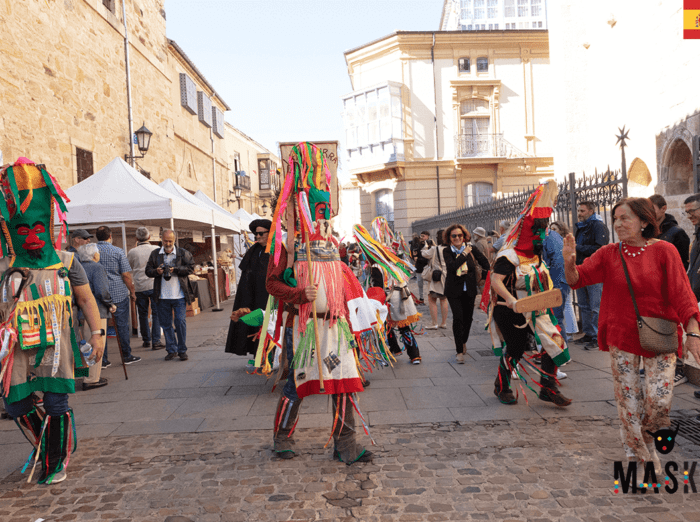
Here we find: • masks embodying ambiguous, grotesque, mischievous, or fearsome figures; • costumes rich in details, bells, animal skins, colorful fabrics; • parades, processions, and dances involving the entire community.
The creation of these masks is based on ancient artisanal knowledge, passed down from generation to generation. Rural depopulation and population aging now threaten this tradition: if artisans do not find successors, techniques and symbols risk disappearing.
Zoomorphic masks: human, animal, and nature
A central role is played by zoomorphic masks, in which the human being takes on animal or hybrid features.
These masks represent: • the fusion between human and animal; • the deep relationship with nature and the territory; • the connection to ancient rites of hunting, fertility, and seasonal transition.
The origins of these expressive forms date back to prehistoric times, when human beings identified with the animal to be hunted or on which their own survival depended. Even today, many rites involving zoomorphic masks accompany the transition from winter to spring, the protection of fields and livestock, and moments of rupture and renewal in collective life.
Masks as works of artisanal art
Traditional masks are often true works of artisanal art. Artisans use: • carved and painted wood, • modeled and fired clay, • fabrics, hides, natural fibers, • recycled elements and complex decorations.
Each mask is unique: it contains the character of the figure, the history of the community, and the hand of the artisan who created it.
Masks appear in key moments of collective life, including weddings and rites of passage, religious celebrations and processions, funerals and rituals related to death and remembrance, popular theatrical performances, and narrations of local myths and legends.
Why protect and promote traditional masks
Promoting and studying these masks means safeguarding an intangible cultural heritage that risks being lost. Through MASKS, we aim to support artisans who preserve this knowledge, pass on skills to new generations, strengthen the cultural identity of rural communities, and contribute to the growth of sustainable rural tourism, respectful of traditions and attentive to local territories.
Our masks are not just objects to be observed, but living stories: they tell of the deep connection between people, landscapes, memory, and the future.
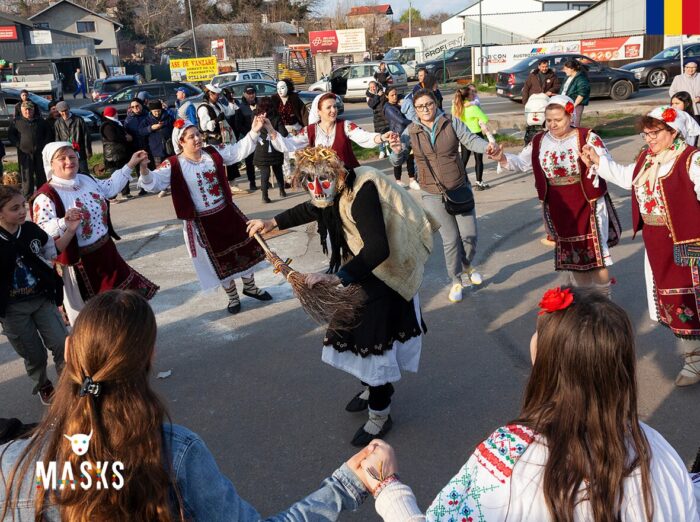
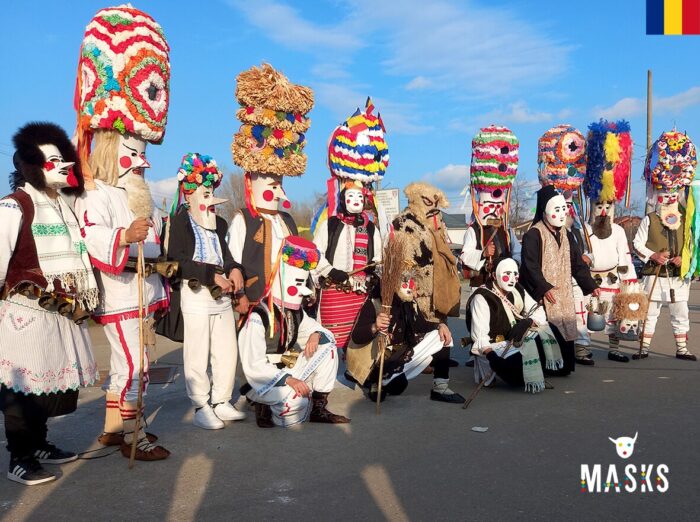
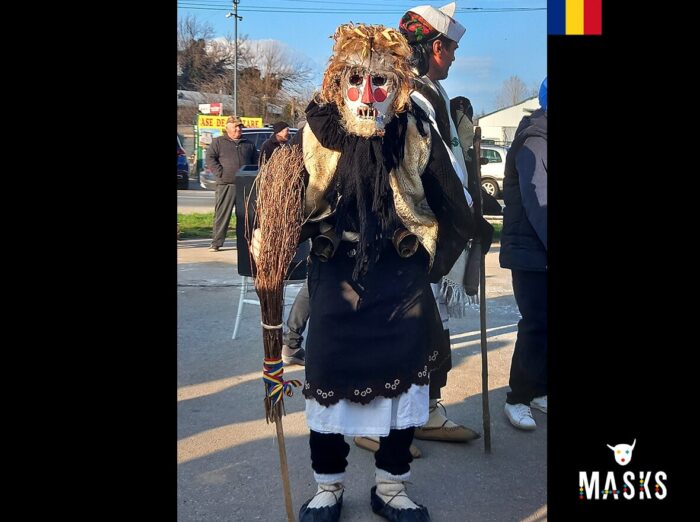
The "Cuci" Carnival in Branesti, Ilfov County • Romania
The Cuckoos mask
Photo by Adelina Dogaru
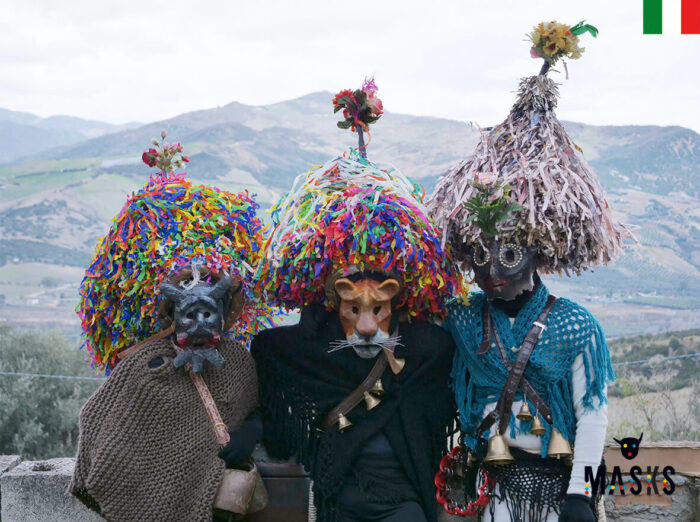
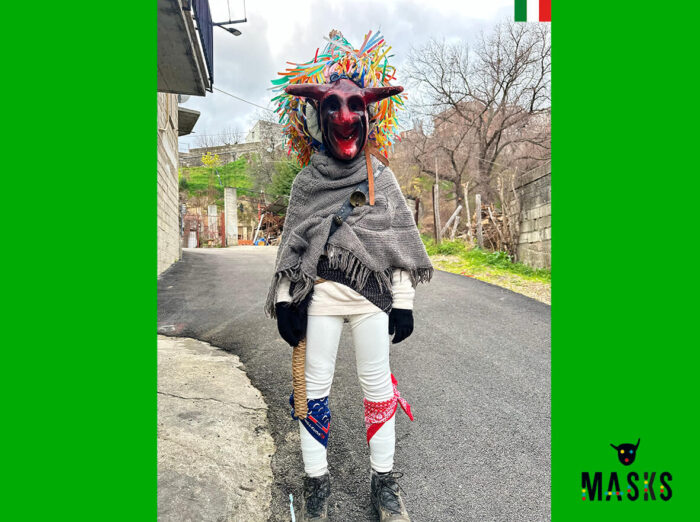
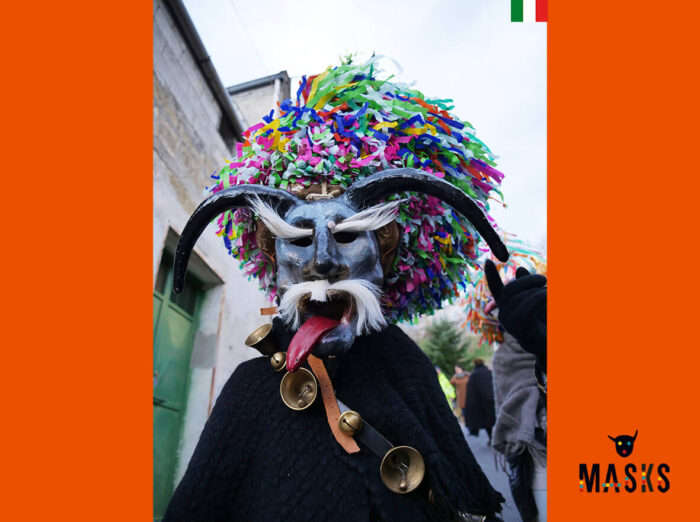
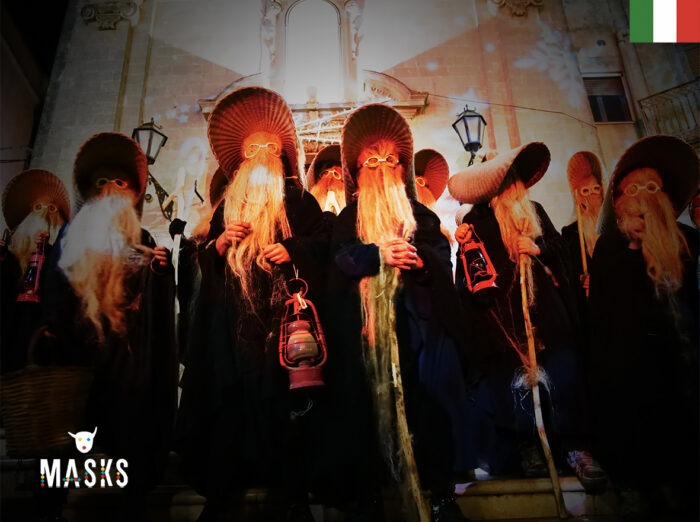
Aliano Carnival • Basilicata • Italy
Photo by Gaetano Armenio
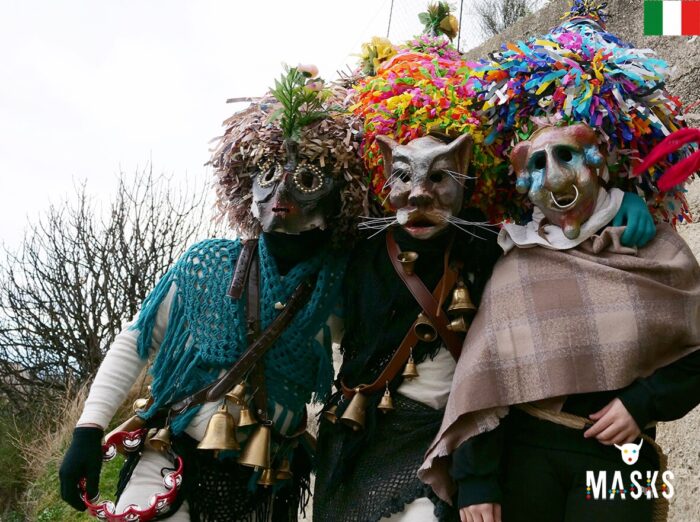
Aliano Carnival • Basilicata • Italy
Photo by Gaetano Armenio
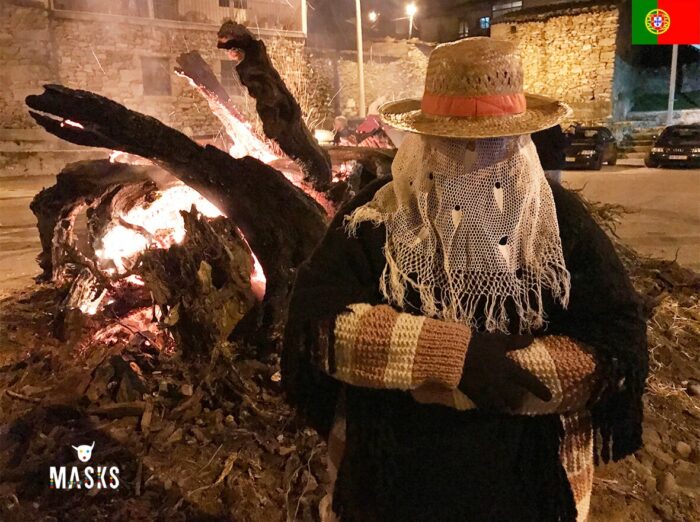
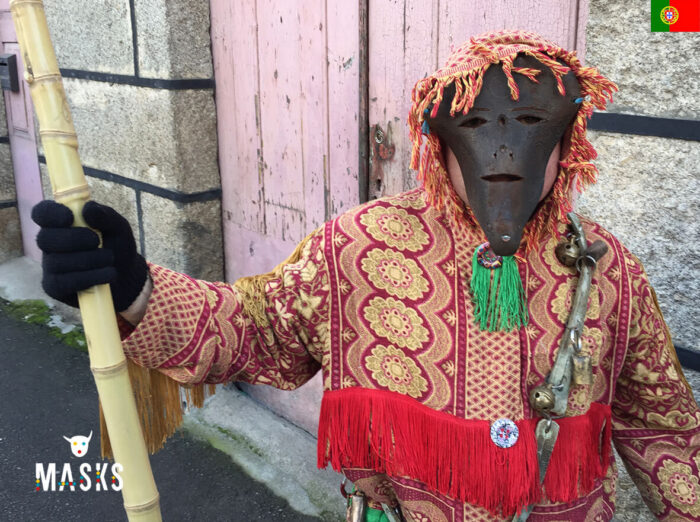
Mask in Vale das Fontes • Portugal
Photo by Roberto Afonso
The "Cuci" Carnival in Branesti, Ilfov County • Romania
The Cuckoos mask
Photo by Adelina Dogaru
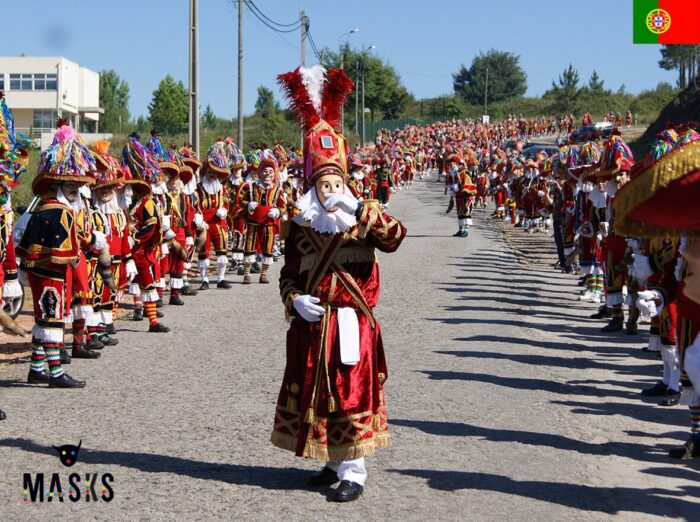
Os Bugios on St. John's Day (24th June), Valongo (district of Porto) • Potugal
Photo by António Tiza
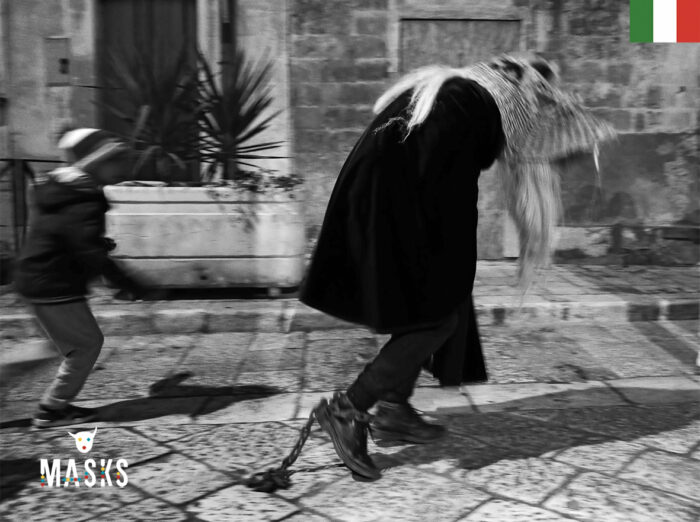
Carnival of Aliano • Basilicata • Italy
Photo by Gaetano Armenio
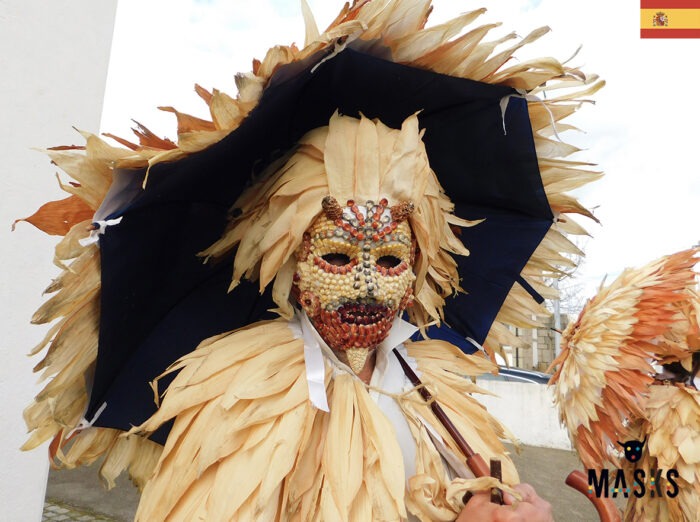
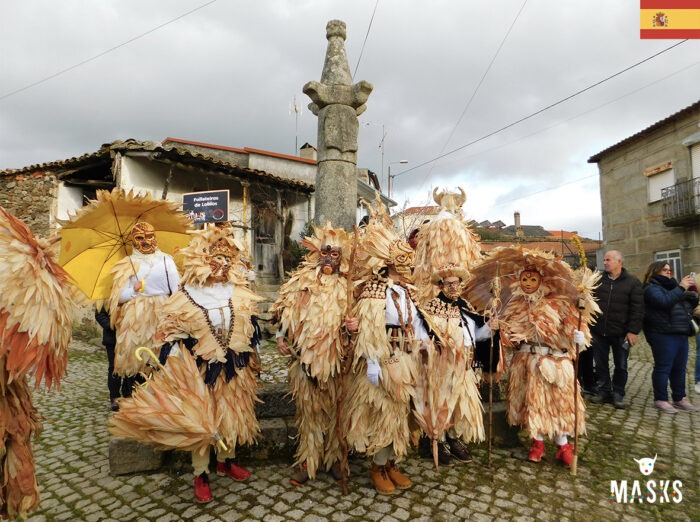
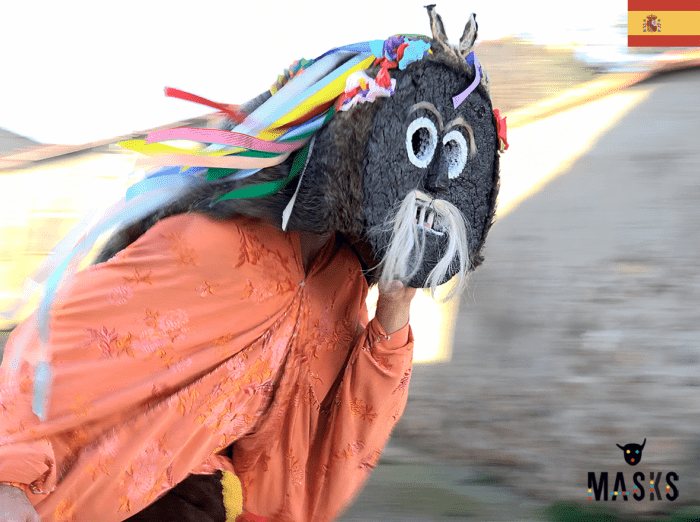
Entroido. "Follateiro" Lobios. Orense. Spain.
Bemposta Festival. • Portugal
Photo by María Pilar Panero García
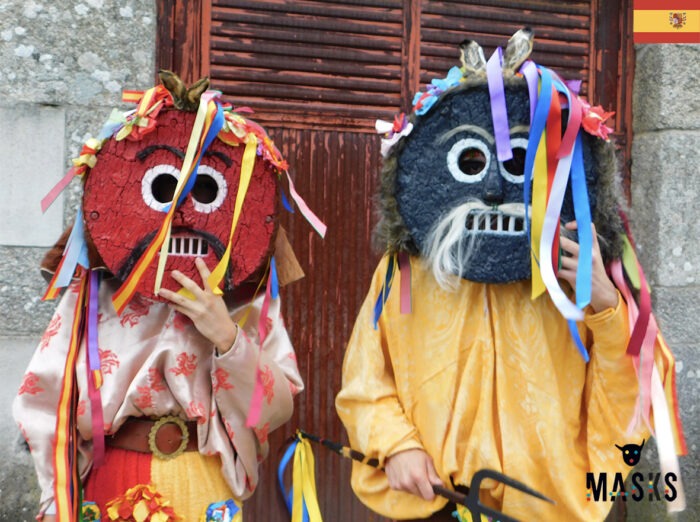
Mask in Varas • Portugal
Photo by Roberto Afonso
El Zangarrón. Montamarta, Zamora. Spain
Bemposta Festival. • Portugal.
Photo by María Pilar Panero García
Entroido. "Follateiros". Lobios. Orense. Spain
Bemposta Festival. • Portugal.
Photo by María Pilar Panero García
Carnival of Aliano • Basilicata • Italy
Photo by Gaetano Armenio
The "Cuci" Carnival in Branesti, Ilfov County • Romania
The Cuckoos mask
Photo by Adelina Dogaru
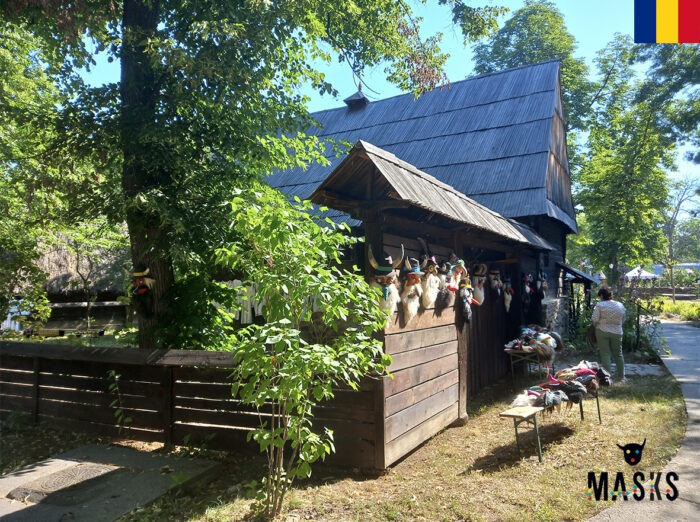
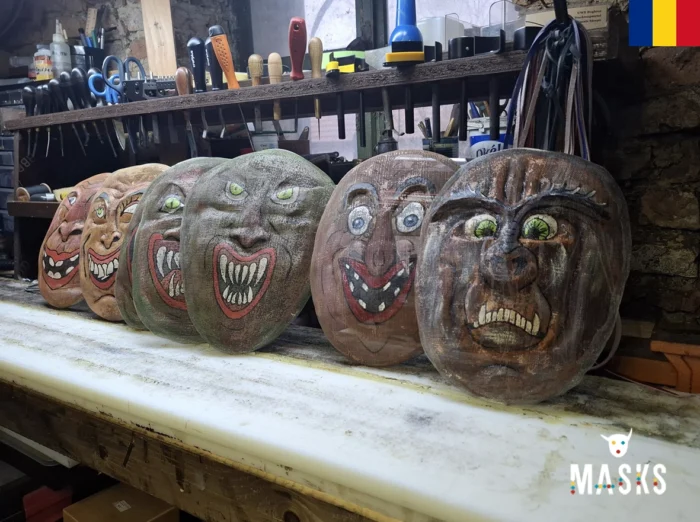
Masks by Paul Buță at the National Village Museum „Dimitrie Gusti” • Bucharest
Photo by Adelina Dogaru
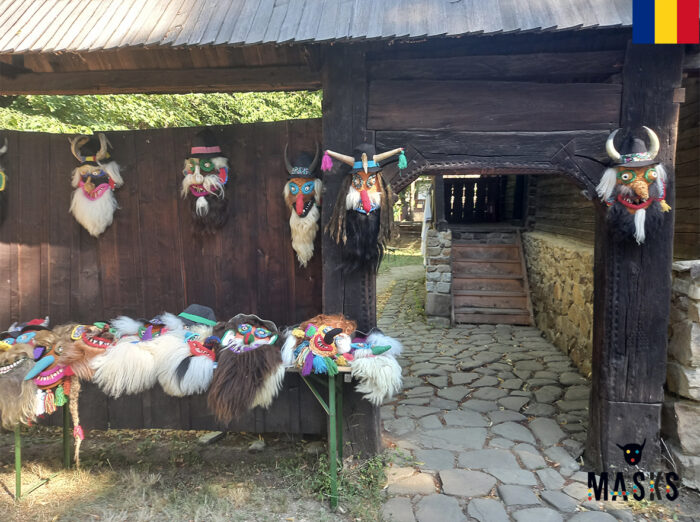
Masks by Paul Buță at the National Village Museum, Dimitrie Gusti” • Bucharest
Photo by Adelina Dogaru
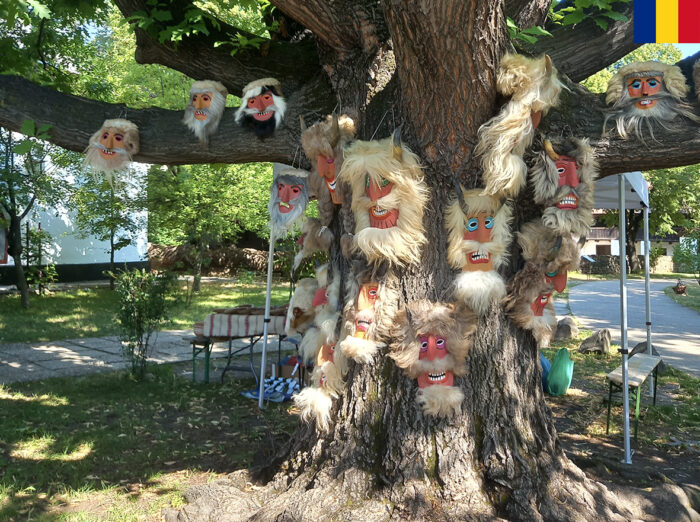
Masks at the National Village Museum „Dimitrie Gusti” • Bucharest
Photo by Adelina Dogaru
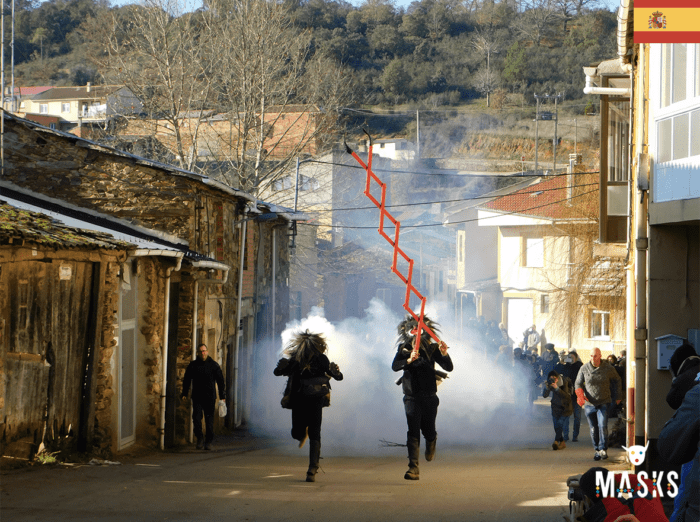
Los Carochos •Riofrío de Aliste (Zamora) • Spain
January 1th
Photo by M.ª Pilar Panero García
El Zangarrón •Montamarta (Zamora) • Spain
January 1th
Photo by Jesús Caramanzana/University of Valladolid
La Visparra • Vigo de Sanabria (Zamora) • Spain
Photo by Jesús Caramanzana / University of Valladolid
Funded by the European Union. Views and opinions expressed are however those of the author(s) only and do not necessarily reflect those of the European Union or the European Education and Culture Executive Agency (EACEA). Neither the European Union nor EACEA can be held responsible for them.
Project: 101139852 - MASKS - Unveiling the Arts and Works behind the MASKS - ERASMUS-EDU-2023-PI-ALL-INNO-EDU-ENTERP
To provide the best experiences, we use technologies such as cookies to store and/or access device information. Consenting to these technologies will allow us to process data such as browsing behaviour or unique IDs on this site. Not consenting or withdrawing consent may adversely affect certain features and functions.
Functional
Always active
Technical storage or access is strictly necessary for the legitimate purpose of enabling the use of a specific service explicitly requested by the subscriber or user, or for the sole purpose of carrying out the transmission of a communication over an electronic communications network.
Preferences
L'archiviazione tecnica o l'accesso sono necessari per lo scopo legittimo di memorizzare le preferenze che non sono richieste dall'abbonato o dall'utente.
Statistics
Technical archiving or access that is used exclusively for statistical purposes.Technical storage or access is used solely for anonymous statistical purposes. Without a subpoena, voluntary compliance by your Internet Service Provider, or additional records from third parties, information stored or retrieved for this purpose alone cannot usually be used for identification purposes.
Marketing
Technical storage or access is necessary for the legitimate purpose of storing preferences that are not requested by the subscriber or user.