MASKS training: courses on traditional masks, crafts and rural tourism
MASKS training is a course designed for those who want to combine culture, creativity and work in rural areas of Europe. Through online courses and practical activities, you will learn about and appreciate traditional masks, their craft techniques and their role in developing new economic and tourism opportunities.
MASKS is a European project that brings together universities, vocational training centres, research institutes, craft associations and SMEs from Spain, Portugal, Italy and Romania. The training programme is the result of this alliance: up-to-date content, an interdisciplinary approach and strong links with rural areas.
Who is the MASKS training aimed at?
MASKS courses are designed for:
Apprentices and university students interested in artistic craftsmanship, restoration, product design, and studio or workshop management.
Young professionals and people undergoing retraining who are looking for new skills to work in the cultural, creative or tourism sectors.
Artisans, cultural operators and labour market actors who wish to innovate their business with projects related to traditional masks and rural tourism.
What are MASKS courses?
MASKS training courses combine:
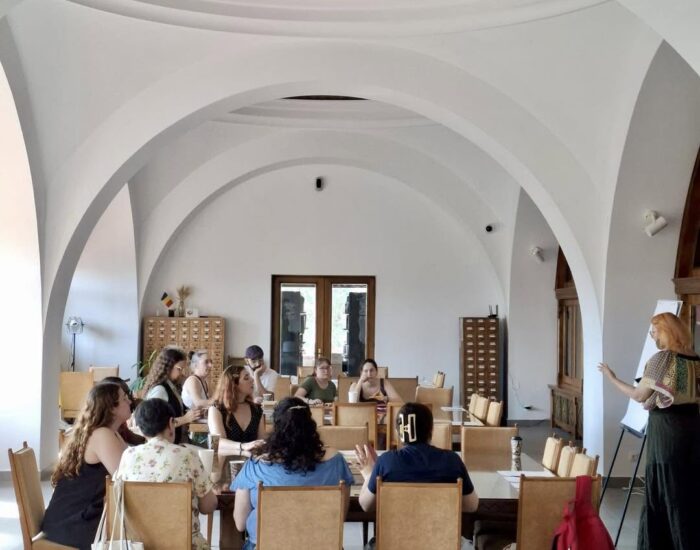
Online lessons on a dedicated Learning Management System (LMS) platform, designed for flexible and accessible learning.
Interdisciplinary modules, combining technical, artistic, anthropological and economic aspects.
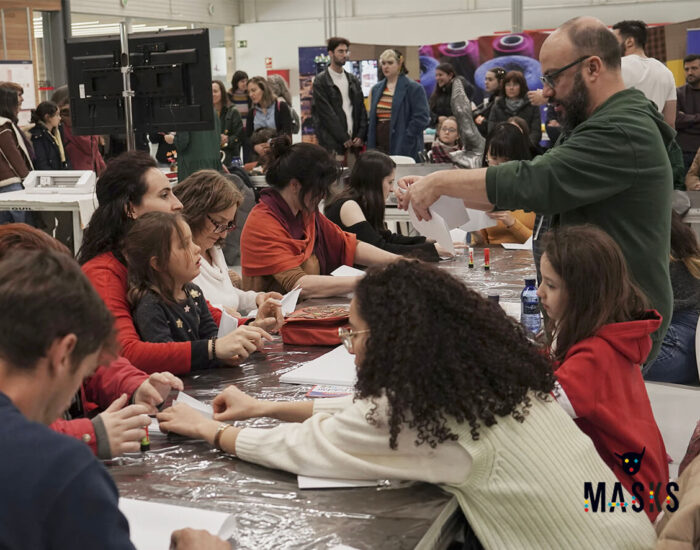
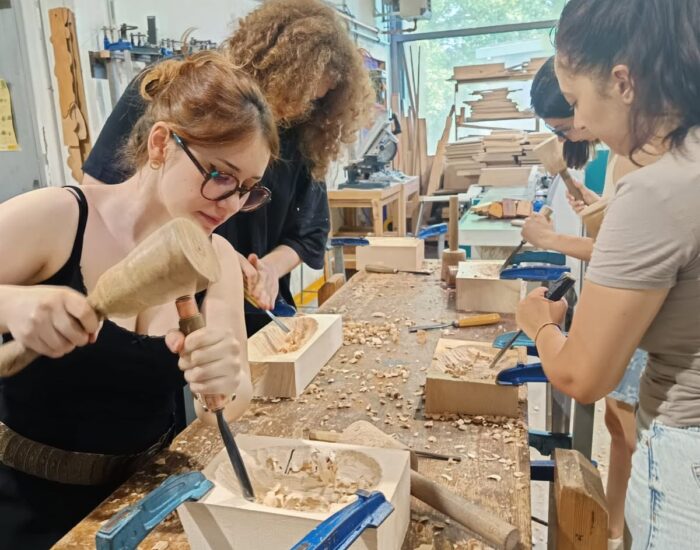
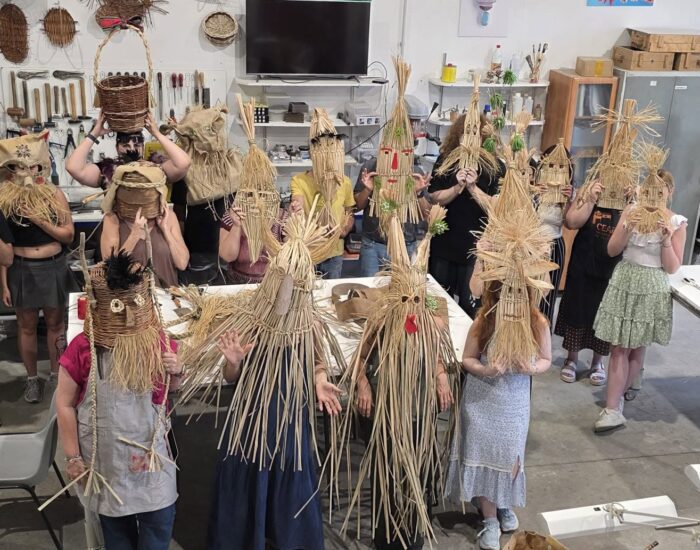
Living lab activities, in which multicultural groups of students work on real projects related to masks and their craftsmanship.
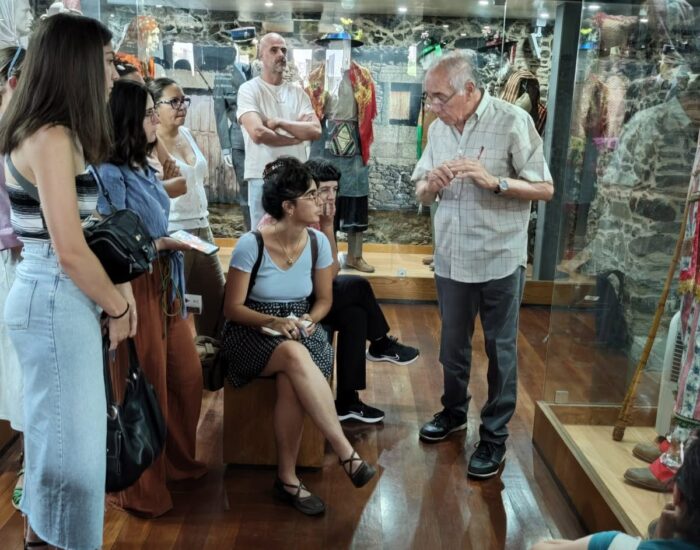
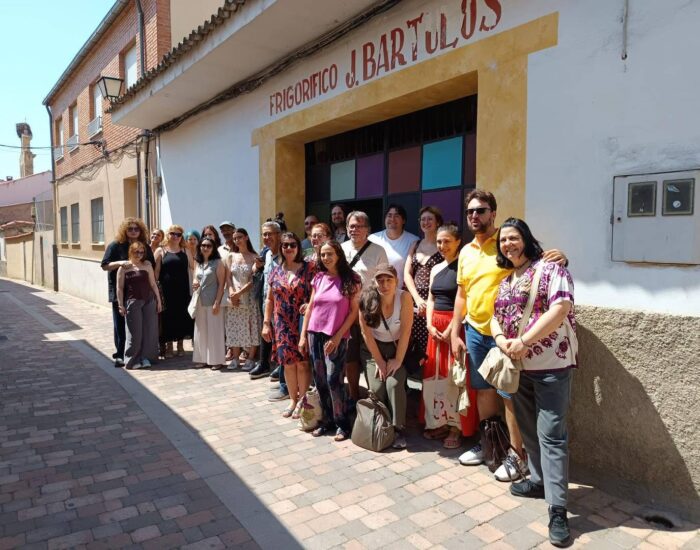
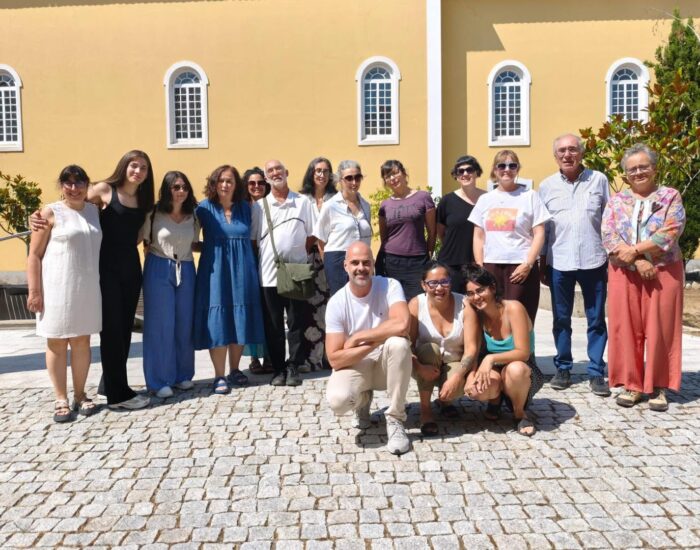
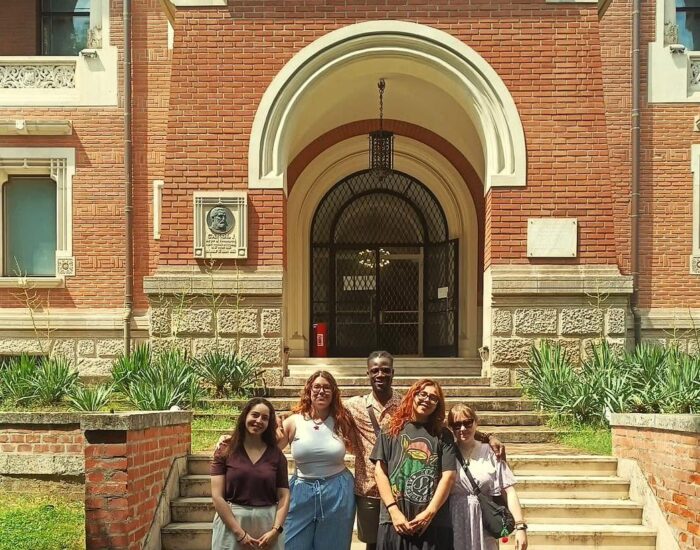
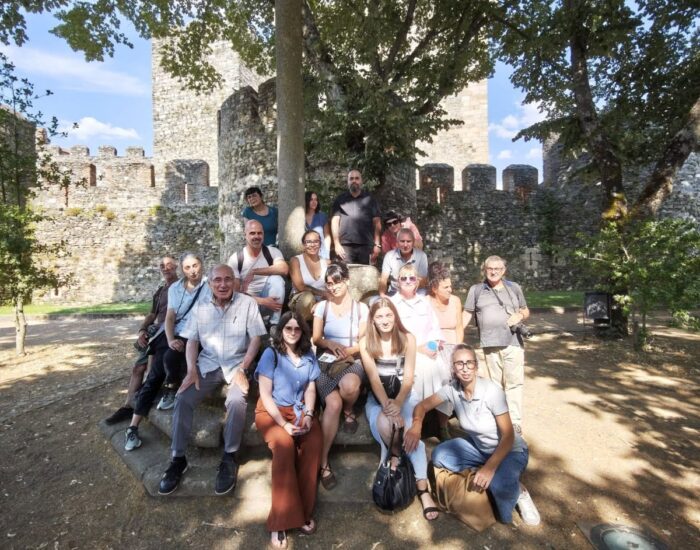
International mobility experiences, organised by the project partners, to learn about rural communities, museums, artisans and traditional festivals.
The aim is to transform masks – and the knowledge they hold – into drivers of innovation, entrepreneurship and local development.
What you will learn
In the MASKS courses, you will acquire skills that combine technique, culture and business. In particular, you will learn to:
Learn about the main traditional European masks, with a focus on rural areas of southern Europe.
Understand the meaning, symbols and rituals associated with masks, thanks to contributions from anthropology and ethnography.
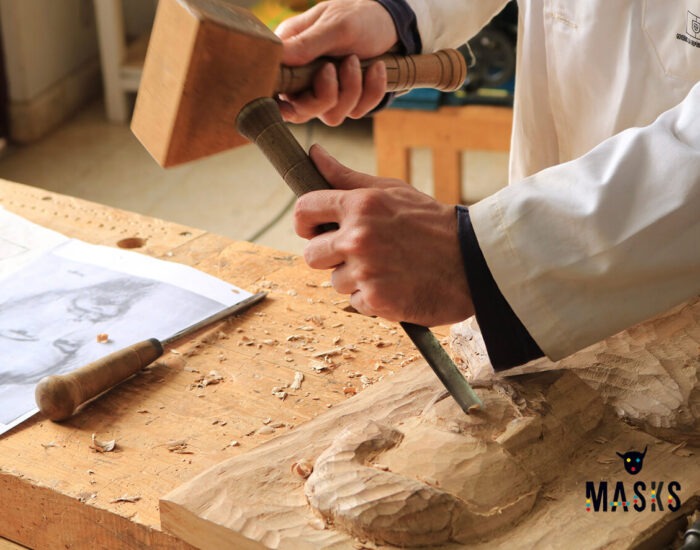
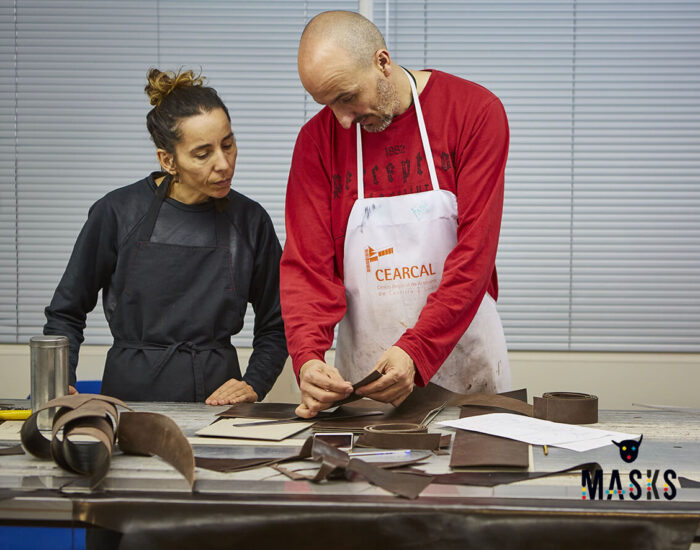
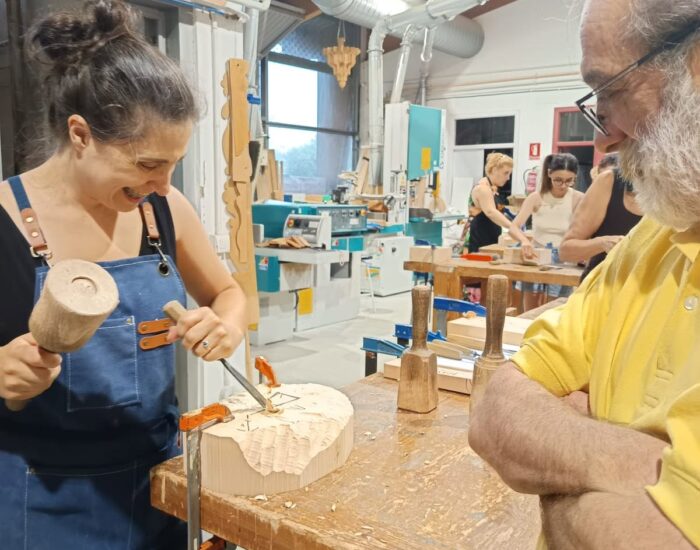
Explore the materials and techniques used to create masks: wood, fabrics, natural fibres, decorations and finishes.
Work on costumes, accessories and external complements that accompany masquerades.
Be introduced to the conservation and restoration of masks and stage elements.
Learn about the performances that accompany masks and popular festivals.
Design rural tourist itineraries based on masks, their places of origin and the communities that preserve them.
Develop ideas for craft or cultural businesses related to masks, artistic production, education or tourism.
In this way, the training is not only 'theoretical' but becomes a real design workshop for new activities in the world of art, craftsmanship and tourism.
How the training is conducted
MASKS training is designed to be:
Experiential: the online course can be supplemented by a group living lab lasting several weeks, in which students work together to create a simulation of a craft business linked to the world of masks, responding to real-life challenges (business development, communication, tourist itineraries, events, etc.).expertise.
Flexible: you can follow the courses online on the LMS platform, organising your study pace according to your time and commitments.
Guided: each module has tutors and teachers who help you clarify doubts, explore topics in depth and connect the content to your project idea.
Multilingual and intercultural: the content is developed in English and then made available in the project languages (Portuguese, Spanish, Italian, Romanian) to encourage participation and exchange between students from different countries.
Inclusive: the teaching materials are subtitled and designed to be accessible to as many participants as possible.
Why choose MASKS courses
Choosing MASKS training means:
Connecting with a European network of universities, VET centres, museums, craft associations and SMEs.
Acquiring skills that can be used in various fields: craftsmanship, cultural planning, tourism, education, event management.
Developing ideas for new entrepreneurial activities in rural areas, in line with sustainability and local development objectives.
Contributing to the protection and enhancement of the intangible heritage linked to masks and their traditions.
Work in multicultural teams, improving your digital, language and transferable skills (project management, teamwork, communication).
Funded by the European Union. Views and opinions expressed are however those of the author(s) only and do not necessarily reflect those of the European Union or the European Education and Culture Executive Agency (EACEA). Neither the European Union nor EACEA can be held responsible for them.
Project: 101139852 - MASKS - Unveiling the Arts and Works behind the MASKS - ERASMUS-EDU-2023-PI-ALL-INNO-EDU-ENTERP
To provide the best experiences, we use technologies such as cookies to store and/or access device information. Consenting to these technologies will allow us to process data such as browsing behaviour or unique IDs on this site. Not consenting or withdrawing consent may adversely affect certain features and functions.
Functional
Always active
Technical storage or access is strictly necessary for the legitimate purpose of enabling the use of a specific service explicitly requested by the subscriber or user, or for the sole purpose of carrying out the transmission of a communication over an electronic communications network.
Preferences
L'archiviazione tecnica o l'accesso sono necessari per lo scopo legittimo di memorizzare le preferenze che non sono richieste dall'abbonato o dall'utente.
Statistics
Technical archiving or access that is used exclusively for statistical purposes.Technical storage or access is used solely for anonymous statistical purposes. Without a subpoena, voluntary compliance by your Internet Service Provider, or additional records from third parties, information stored or retrieved for this purpose alone cannot usually be used for identification purposes.
Marketing
Technical storage or access is necessary for the legitimate purpose of storing preferences that are not requested by the subscriber or user.